


Revolutionizing Corporate Events with Cutting-Edge Audio Technology
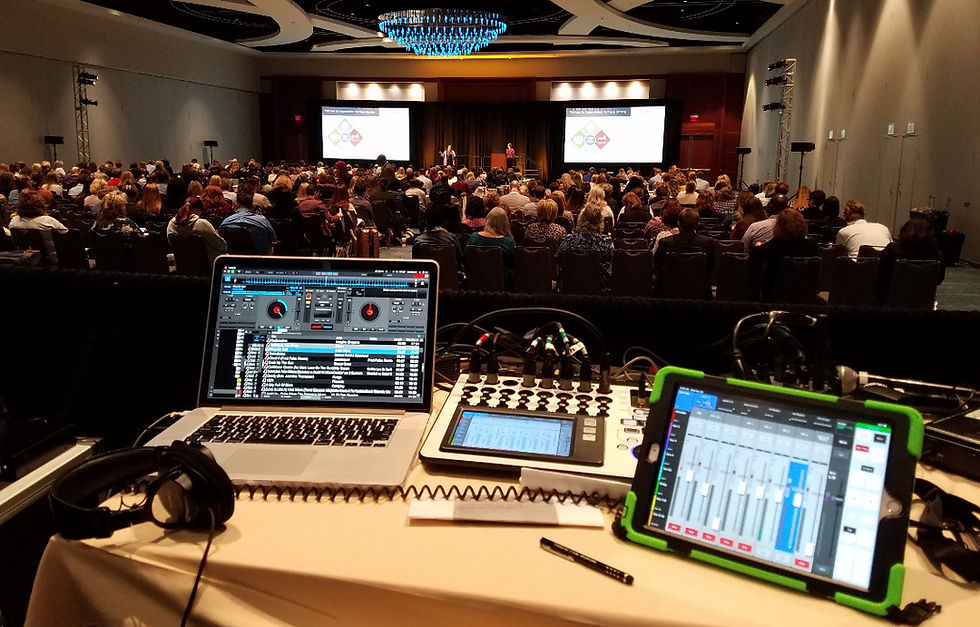
In the dynamic arena of corporate events, audio technology has emerged as a game changer. It's no longer just background noise; it has become an essential element that enhances engagement, facilitates communication, and drives event success. This post explores how the latest audio innovations are reshaping corporate events, providing insights into their benefits and real-world applications.
The Evolution of Audio Technology in Events
Over the past two decades, audio technology has evolved dramatically. We have moved from simple sound systems to advanced setups that cater to a variety of event formats. Digital sound processing, wireless microphones, and high-fidelity speakers now play crucial roles in how sound is delivered.
Take, for example, a large corporate conference with 500 attendees. The use of advanced audio technology ensures that a keynote speaker's voice resonates uniformly across the entire venue. Research shows that events with high-quality sound systems see a 30% increase in attendee satisfaction compared to those with mediocre setups.
Importance of High-Quality Sound
High-quality sound is fundamental to effective communication at events. Studies have indicated that questions and misunderstandings rise by 40% in environments with poor audio. Conversely, clear and well-distributed sound facilitates the delivery of messages and enhances audience connection.
For instance, 78% of attendees at a tech symposium reported increased engagement when they could clearly hear presenters. This clarity not only enriches the experience but also encourages attendees to retain information better, leading to a more impactful event overall.
Innovations in Audio Technology
Wireless Microphone Systems
Wireless microphone systems have revolutionized event presentations. These systems give speakers the freedom to move, creating a more dynamic experience for the audience. With improved sound quality and reduced interference, presenters can engage with their audience more effectively.
For instance, at a recent product launch, a leading tech company used wireless microphones that allowed the CEO to interact with attendees freely. The result? A 25% increase in audience participation compared to static presentations.
Sound Reinforcement Systems
Modern sound reinforcement systems ensure that sound reaches every corner of a venue. Whether it's a conference room or an auditorium, these systems use advanced features like automatic mixing to maintain clarity.
For example, during a major industry event with 1,000 attendees, the use of sophisticated sound reinforcement technology ensured that even those seated in the farthest rows could hear every word clearly, resulting in a 20% higher satisfaction rating.
Immersive Audio Experiences
The growth of immersive audio technologies like spatial audio offers captivating experiences for attendees. By utilizing multiple speakers positioned strategically, these technologies create a sound environment that makes audiences feel more involved.
At an interactive workshop, spatial audio was employed to enhance the storytelling experience. Attendees reported feeling fully engaged, with 85% stating they found the content more exciting and memorable compared to traditional setups.
The Role of Audio in Hybrid Events
With the rise of hybrid events, audio technology plays a pivotal role in connecting in-person and virtual audiences. Advanced audio solutions now seamlessly integrate live presentations and online participation.
For example, at a recent hybrid seminar, speakers used advanced audio solutions that allowed virtual attendees to participate in discussions in real-time. This led to a 50% increase in engagement from remote participants, who felt as involved as those present in the room.
Best Practices for Implementing Audio Technology
To ensure optimal audio experience during corporate events, keep these guidelines in mind:
Conduct a Sound Check: Perform thorough sound checks before the event starts to ensure all audio equipment is working perfectly.
Choose the Right Equipment: Select audio systems tailored to your event's needs, considering factors like venue size and type of sessions.
Work with Professionals: Collaborate with AV experts who understand corporate settings and can recommend fitting technology.
Plan for Contingencies: Establish backup solutions in case of technical problems to avoid disruptions during the event.
Gather Feedback: Solicit feedback on the audio experience from attendees to identify areas for improvement for future events.
Final Thoughts
As audio technology continues to advance, its influence on corporate events becomes even more significant. By investing in the right audio solutions, organizations can enhance communication, create immersive experiences, and leave a lasting impression on attendees.
In today's competitive landscape, prioritizing high-quality audio technology isn’t just beneficial; it is essential for any organization aiming to achieve their event goals and make an unforgettable impact.


Comments